
Keeping winter clothes smooth, clean, and fuzz-free becomes a real challenge when sweaters, jackets, and woollens start developing lint, pilling, and tiny fabric balls. A good lint remover solves this instantly but the question is: Should you choose an electric lint remover or a manual lint remover?
This guide breaks down both options in a clear, practical way and helps you decide which one fits your fabric-care routine and budget. We will also reference two easy-to-use lint removers from DeoDap that make winter garment care simple and affordable.
The Real Reason Winter Clothes Develop Lint
Winter fabrics like wool, fleece, acrylic, terry, and knitted blends rub constantly against chairs, bags, and even themselves. This friction causes:
- small raised fibers (fuzz)
- tiny fabric balls (pills)
- trapped pet hair and dust
- surface roughness
A simple grooming routine can instantly restore clothing smoothness.
Meet the Two Lint Heroes
1. Portable Manual Lint Remover

For more details: Manual Lint & Hair Remover
This lightweight lint scraper removes surface-level lint, hair, and fuzz in seconds. Perfect for thick fabrics and home textiles.
Ideal for:
- heavy woollens
- blankets
- carpets
- upholstery
- pet owners dealing with hair shedding
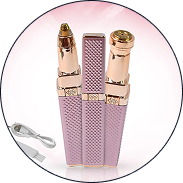
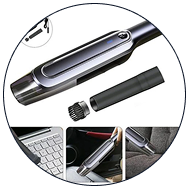
2. USB Electric Fabric Shaver (Electric Lint Remover)

Look here: USB Rechargeable Lint Remover for Woolens & Sweaters
A smooth, fast, and safe solution to remove deeper pills and restore fabric texture.
Ideal for:
- sweaters
- jackets
- mufflers
- cotton blends
- delicate winterwear
Quick Comparison: Electric vs Manual Lint Remover
| Feature | Electric Lint Remover | Manual Lint Remover |
|---|---|---|
| Speed | Fast & efficient | Medium |
| Best For | Sweaters, jackets, woollens | Carpets, home fabrics, heavy knits |
| Finish | Smooth, uniform | Basic surface cleaning |
| Convenience | Rechargeable & easy | Manual effort required |
| Fabric Safety | High due to protective mesh | Avoid delicate fabrics |
| Price | Slightly higher | Budget-friendly |
Tips, Tricks & Pro Hacks for Lint-Free Winter Clothing
1. Always Use Lint Removers on Completely Dry Clothes
Wet fibers stick to the blades or mesh and can pull fabric.
2. Start With Gentle Pressure
Both electric and manual tools work best with light movement, no need to push hard.
3. Shave in One Direction
Going back and forth can stress fabric fibers.
4. For Sweaters: Use Electric First, Manual Second
Electric removes deep pills; manual sweeps away loose fibers.
5. Avoid Using Manual Scrapers on Thin Knits
Stick to heavy sweaters or upholstery for the best outcomes.
6. Use Mesh Laundry Bags
Prevents friction inside washing machines.
7. Add Vinegar Rinse to Your Wash
A half cup of vinegar softens fibers and reduces pilling naturally.
When to Use What? Real-Life Scenarios
For Office Wear (Light Sweaters) → Choose Electric
It gives a clean, polished look instantly.
For Pet Owners → Choose Manual
It removes fur faster than any brush.
For Winter Blankets → Manual, Always
Covers large surfaces effortlessly.
For Expensive Wool or Cashmere → Electric Only
Gentle, safe, and uniform.
For Daily Home Cleaning → Keep Both
Each tool covers different fabric needs.
Frequently Asked Questions
Is an electric lint remover safe for wool?
Yes, the protective mesh prevents damage.
Does a manual lint remover work on thin clothes?
No, avoid it on delicate knits and soft sweaters.
Which lint remover lasts longer?
Both manual has no moving parts; electric is rechargeable.
Which one gives a cleaner finish?
Electric, especially on sweaters and jackets.
Final Thoughts
A lint remover is one of the simplest fabric-care tools that instantly improves your winter-wear. For smooth sweaters and jackets, the USB Electric Lint Remover is unbeatable. For heavy fabrics and home surfaces, the Manual Lint Remover delivers value and convenience.
Explore DeoDap’s complete winter collection here: Shop Winter Essentials & Deals
 Translation missing: hi.general.accessibility.share_on_facebook
 Translation missing: hi.general.accessibility.share_on_x
 Translation missing: hi.general.accessibility.share_on_linkedin
 Translation missing: hi.general.accessibility.share_on_pinterest
 Translation missing: hi.general.accessibility.share_on_whatsapp