
Starting a dropshipping business can feel like stepping into a gold mine of opportunity. Low startup costs, no inventory hassles, and the promise of passive income make it incredibly attractive for aspiring entrepreneurs. However, the reality is sobering: research shows that approximately 90% of dropshipping businesses fail within the first 120 days.

But here's the good news, most of these failures stem from preventable mistakes. After analyzing thousands of dropshipping journeys and consulting with industry experts, we've identified the five most critical errors that sink new dropshippers before they even have a chance to succeed. More importantly, we'll show you exactly how to avoid them.
Mistake #1: Choosing the Wrong Niche (Or No Niche at All)
Why This Kills Your Business
Many new dropshippers make the fatal error of either choosing a niche based purely on perceived profitability or trying to sell everything to everyone. They see a trending product on social media, assume it's a guaranteed money-maker, and dive in without proper research.
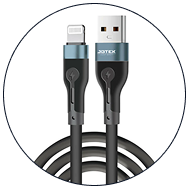
The problem? Without genuine interest or knowledge in your niche, you'll struggle to create compelling marketing content, understand your customers' pain points, or differentiate yourself from competitors. Additionally, oversaturated niches like generic phone accessories or fast fashion items come with razor-thin margins and fierce competition from established sellers.
How to Avoid This Mistake
Conduct thorough market research before committing to a niche. Ask yourself these critical questions:
- Is there genuine demand for these products? (Use tools like Google Trends, Keyword Planner, or Amazon Best Sellers)
- Can you identify a specific target audience with clear pain points?
- Is the competition manageable, or are you entering an oversaturated market?
- Do you have some interest or expertise in this area?
The sweet spot: Find a niche with steady demand, moderate competition, and products that solve real problems. Avoid seasonal products that only sell during specific holidays or trends that may fade quickly.
Pro tip: Test 15-20 products within your chosen niche before determining your winners. Success in dropshipping requires patience and experimentation.
Mistake #2: Partnering with Unreliable Suppliers
Why This Kills Your Business
Your supplier is the backbone of your dropshipping business. A poor supplier relationship leads to stockouts, delayed shipments, quality issues, and ultimately, damaged customer trust. In today's market where consumers expect Amazon-level service, shipping times of 3-6 weeks from overseas suppliers simply won't cut it.
Many beginners focus solely on finding the cheapest products without vetting supplier reliability, communication responsiveness, or shipping capabilities. This shortsighted approach costs them far more in refunds, chargebacks, and negative reviews than they save on wholesale prices.
How to Avoid This Mistake
Prioritize supplier quality over rock-bottom prices. Here's your vetting checklist:
- Test order several products yourself before listing them in your store. Evaluate quality, packaging, and actual delivery times.
- Assess communication responsiveness. Do they reply to emails within 24 hours? Are they helpful and professional?
- Check their stock management systems. Can they provide real-time inventory updates to prevent overselling?
- Look for local or regional suppliers when possible. Domestic suppliers offer faster shipping times that meet modern customer expectations.
- Diversify your supplier base. Work with 20-30 suppliers in each niche so you're never dependent on a single partner.
If you're based in India or targeting Indian customers, partnering with a reliable local dropshipping supplier like DeoDap can significantly improve your delivery times and customer satisfaction while reducing shipping complications.
Red flag warning: If a supplier consistently fails to answer emails, ships late, or has frequent stock issues, cut ties immediately. Your reputation depends on their performance.
Mistake #3: Neglecting Customer Service
Why This Kills Your Business
Many new dropshippers operate under the dangerous assumption that their job ends once a customer places an order. This couldn't be further from the truth. Poor customer service leads to negative reviews, chargebacks, and a damaged reputation that's nearly impossible to recover from in competitive markets.
In the dropshipping model, you're the face of the business, not your supplier. When issues arise (and they will), customers turn to you for solutions. Ignoring inquiries, providing vague shipping information, or being unresponsive during disputes will tank your business faster than any other mistake.
How to Avoid This Mistake
Build a customer service strategy from day one:
- Be proactive with communication. Send automated order confirmation emails, shipping notifications with tracking numbers, and delivery confirmations.
- Set realistic expectations. Be transparent about shipping times in your product descriptions and checkout process. Under-promise and over-deliver.
- Respond quickly to inquiries. Aim to reply to customer emails within 12-24 hours maximum. Consider using chatbots for immediate responses to common questions.
- Create clear policies. Display your return, refund, and shipping policies prominently on your website. Make them customer-friendly while protecting your business interests.
- Handle complaints gracefully. When issues occur, take ownership, apologize sincerely, and offer solutions (partial refunds, replacements, or discounts on future orders).
Remember: A customer who has a problem that you solve quickly and professionally is often more loyal than a customer who never had an issue at all.
Mistake #4: Building an Unprofessional Store
Why This Kills Your Business
In 2025, consumers are sophisticated online shoppers who can spot a low-effort dropshipping store in seconds. If your website looks like it was built in 2015, uses stock photos straight from your supplier, or lacks trust signals, potential customers will simply click away to a competitor.
Your store design directly impacts your conversion rate. An unprofessional appearance signals "scam" or "low quality" to visitors, making them reluctant to share their payment information regardless of how good your products are.
How to Avoid This Mistake
Invest time and resources in creating a professional, trustworthy storefront:
- Choose a clean, modern theme for your ecommerce platform (Shopify, WooCommerce, etc.). Avoid cluttered designs with too many pop-ups or animations.
- Write unique product descriptions. Never copy-paste supplier descriptions. Instead, focus on benefits, solve customer pain points, and include relevant keywords for SEO.
- Use high-quality images and videos. If possible, order samples and take your own product photos. Otherwise, enhance supplier images with lifestyle shots that show products in use.
-
Add trust signals throughout your site:
- Display customer reviews and testimonials prominently
- Show security badges and payment icons
- Include a visible phone number or live chat option
- Create an "About Us" page that tells your brand story
- Showcase social proof (follower counts, user-generated content)
- Optimize for mobile devices. Over 70% of ecommerce traffic comes from mobile, so ensure your store looks and functions flawlessly on smartphones.
- Load speed matters. Compress images, minimize apps, and choose reliable hosting to keep page load times under 3 seconds.
Pro tip: Before launching, ask friends or family to browse your store and be brutally honest about their first impressions. If they wouldn't feel comfortable buying from you, your customers won't either.
Mistake #5: Failing to Market Effectively (Or Putting All Eggs in One Basket)
Why This Kills Your Business
"Build it and they will come" is one of the most expensive myths in ecommerce. Many new dropshippers spend weeks perfecting their store, launch it, and then sit back waiting for sales to roll in. When nothing happens, they get discouraged and quit.
Others rely entirely on a single marketing channel, usually Facebook ads, and find themselves in trouble when ad costs spike, algorithms change, or their account gets unexpectedly restricted. Without traffic diversification, one platform change can destroy your entire business overnight.
How to Avoid This Mistake
Develop a multi-channel marketing strategy from the start:
Paid Advertising:
- Start with Google Shopping ads for buyer-intent traffic (people actively searching for your products)
- Use Facebook and Instagram ads for awareness and retargeting
- Test TikTok ads if your target demographic is younger
- Set conservative budgets initially and scale what works
Organic Marketing:
- SEO optimization: Conduct keyword research and optimize product pages, blog content, and meta tags to rank in search engines
- Content marketing: Create valuable blog posts, how-to guides, and comparison articles related to your niche
- Social media presence: Build authentic communities on platforms where your customers hang out. Share user-generated content, behind-the-scenes content, and educational posts, not just product promotions
- Email marketing: Build an email list from day one. Offer incentives for signups and nurture subscribers with valuable content, not just sales pitches
Key principle: Track your data religiously. Know your cost per acquisition (CPA), customer lifetime value (LTV), and conversion rates for each marketing channel. If your CPA exceeds your profit margin, that channel isn't working; pivot quickly.
Reality check: Most successful dropshippers test 15-20 products before finding a winner, and they invest 3-6 months of consistent effort before seeing significant profits. If you're not prepared for that timeline, reassess whether dropshipping is right for you.
Bonus Mistake: Having Unrealistic Expectations
While not one of our main five, this mindset mistake deserves mention because it underlies many failures. Dropshipping is not a "get rich quick" scheme or a passive income business that runs on autopilot.
The truth about dropshipping:
- It requires consistent work, learning, and adaptation
- Most successful dropshippers didn't profit in their first month
- You'll need some capital for inventory costs, marketing, and tools ($500-$3000 to start properly)
- Competition is fierce, but there's still room for those who offer real value
Approach dropshipping as a real business that requires strategy, effort, and patience, not as a side hustle that should print money while you sleep.
Your Path Forward: Avoiding These Mistakes
Success in dropshipping comes down to preparation, persistence, and learning from others' mistakes rather than repeating them yourself. Here's your action plan:
- Research thoroughly before choosing your niche—don't just chase trends
- Vet and build strong relationships with reliable suppliers—your business depends on them
- Prioritize customer service—treat every customer interaction as an opportunity to build loyalty
- Create a professional, trustworthy store—first impressions determine conversion rates
- Diversify your marketing efforts—never depend on a single traffic source
Also Read:
Earn Money from Trends: The Lightning-Speed Dropshipping Hack for 2025
Remember, the dropshippers who succeed aren't necessarily the most talented or the luckiest, they're the ones who avoid critical mistakes, stay consistent, and adapt based on data and customer feedback.
Are you ready to launch your dropshipping business the right way? Start by choosing a reliable partner who understands the Indian market and can provide the support you need to avoid these costly mistakes. Your success story begins with smart decisions today.
 Translation missing: hi.general.accessibility.share_on_facebook
 Translation missing: hi.general.accessibility.share_on_x
 Translation missing: hi.general.accessibility.share_on_linkedin
 Translation missing: hi.general.accessibility.share_on_pinterest
 Translation missing: hi.general.accessibility.share_on_whatsapp