
Summer in India can be extremely intense. In many regions, temperatures regularly cross 40°C, and homes made of concrete, brick, and metal tend to absorb and retain heat throughout the day. This often makes indoor spaces uncomfortable, especially during afternoon hours.
While air conditioners provide instant cooling, they are not always practical for everyone due to high electricity costs, environmental impact, and energy consumption. Fortunately, there are many natural and smart ways to reduce indoor heat and keep your home comfortable even during peak summer.
Traditional Indian homes were built with clever cooling strategies such as cross ventilation, shaded windows, thick walls, and natural materials. By combining these age-old ideas with modern practical solutions, you can significantly lower the temperature inside your home without relying heavily on artificial cooling.
15 Smart Ways to Reduce Indoor Heat Naturally
1. Improve Cross Ventilation

Cross ventilation is one of the most effective natural cooling techniques. It allows air to move freely through the home, pushing warm air out and bringing cooler air in. Open windows or doors on opposite sides of the house so air can flow from one side to another. This circulation prevents heat from getting trapped indoors.
For the best results:
- Open windows early morning
- Keep them open after sunset
- Allow airflow through hallways and corridors
Proper ventilation can instantly make your home feel more breathable and comfortable.
2. Close Curtains During Peak Sunlight
Direct sunlight entering through windows is one of the biggest contributors to indoor heat. Keeping curtains, blinds, or shades closed between 11 AM and 4 PM can block a large amount of solar heat.
Light-colored curtains work best because they reflect sunlight rather than absorbing it. Materials such as cotton, linen, and bamboo blinds are excellent for summer use.
3. Choose Light Colors for Walls and Interiors

Color significantly affects how much heat a surface absorbs. Dark colors absorb heat while light colors reflect it. Homes with white, beige, cream, or pastel walls stay cooler compared to darker interiors.
If repainting is possible, consider using heat-reflective or light-colored paints, especially for ceilings and sun-facing walls.
4. Open Windows at the Right Time
Opening windows all day might seem like a good idea, but during hot afternoons it can actually bring warm air inside.
Instead, follow this simple routine:
| Time of Day | Action |
|---|---|
| Early Morning | Open windows for cool airflow |
| Afternoon | Keep windows closed and shaded |
| Evening | Open windows again for ventilation |
This method helps maintain a balanced and cooler indoor temperature.
5. Add Indoor Plants for Natural Cooling

Indoor plants act as natural air conditioners. Through a process called transpiration, plants release moisture into the air which creates a cooling effect.
Some excellent plants for summer cooling include:
- Areca Palm
- Aloe Vera
- Snake Plant
- Money Plant
- Rubber Plant
These plants also improve air quality and add greenery to your living space.
6. Switch to Cotton Fabrics

Heavy fabrics trap heat and reduce airflow inside a room. During summer, replace synthetic materials with breathable cotton fabrics for:
- Bedsheets
- Curtains
- Cushion covers
- Sofa throws
Cotton allows better air circulation and makes interiors feel lighter and cooler.
7. Turn Off Heat-Producing Appliances
Many household appliances release heat while operating. This includes:
- Ovens
- Irons
- Hair dryers
- Chargers
- Computers
Reducing the use of such devices during the hottest part of the day helps prevent heat buildup inside the home. Try using them early morning or late evening when temperatures are lower.
8. Use Ceiling Fans Efficiently

Ceiling fan help circulate air and improve comfort. During summer, set your fan to rotate counter-clockwise so that air is pushed downward, creating a refreshing breeze. Fans combined with good ventilation can make a room feel 3–4°C cooler.
9. Keep Rooms Slightly Dark During the Day
Sunlight heating floors and walls increases indoor temperature quickly. Keeping rooms slightly darker using curtains or shades prevents excessive heat buildup. This is particularly useful for west-facing windows, which receive strong afternoon sunlight.
10. Use Water-Based Cooling Methods
Water has natural cooling properties and can help reduce indoor heat.
Simple tricks include:
- Placing a bowl of ice in front of a fan
- Hanging damp curtains near windows
- Lightly sprinkling water on balconies or floors
As the water evaporates, it cools the surrounding air.
11. Shade Your Windows and Balconies

Outdoor shading prevents sunlight from directly heating walls and windows. You can use:
- Bamboo blinds
- Outdoor curtains
- Balcony plants
- Shade nets
These barriers reduce heat entering the house and keep rooms cooler.
12. Grow Plants on Balconies or Terraces
Plants around your home act as natural insulation. Balcony plants or terrace gardens help absorb sunlight and reduce surface temperatures. Greenery also cools the surrounding air, making the environment more pleasant.
13. Apply Reflective Roof Coatings
Roofs absorb a huge amount of heat during summer. Applying white lime wash or reflective roof coatings can significantly reduce heat absorption. This simple technique can lower indoor temperatures by 3–5°C in many homes.
14. Remove Heavy Carpets and Rugs
Thick carpets trap heat and make rooms feel warmer. During summer, it is better to keep floors clear or use light cotton rugs that allow air circulation. This helps maintain a cooler indoor environment.
15. Use Practical Summer Essentials
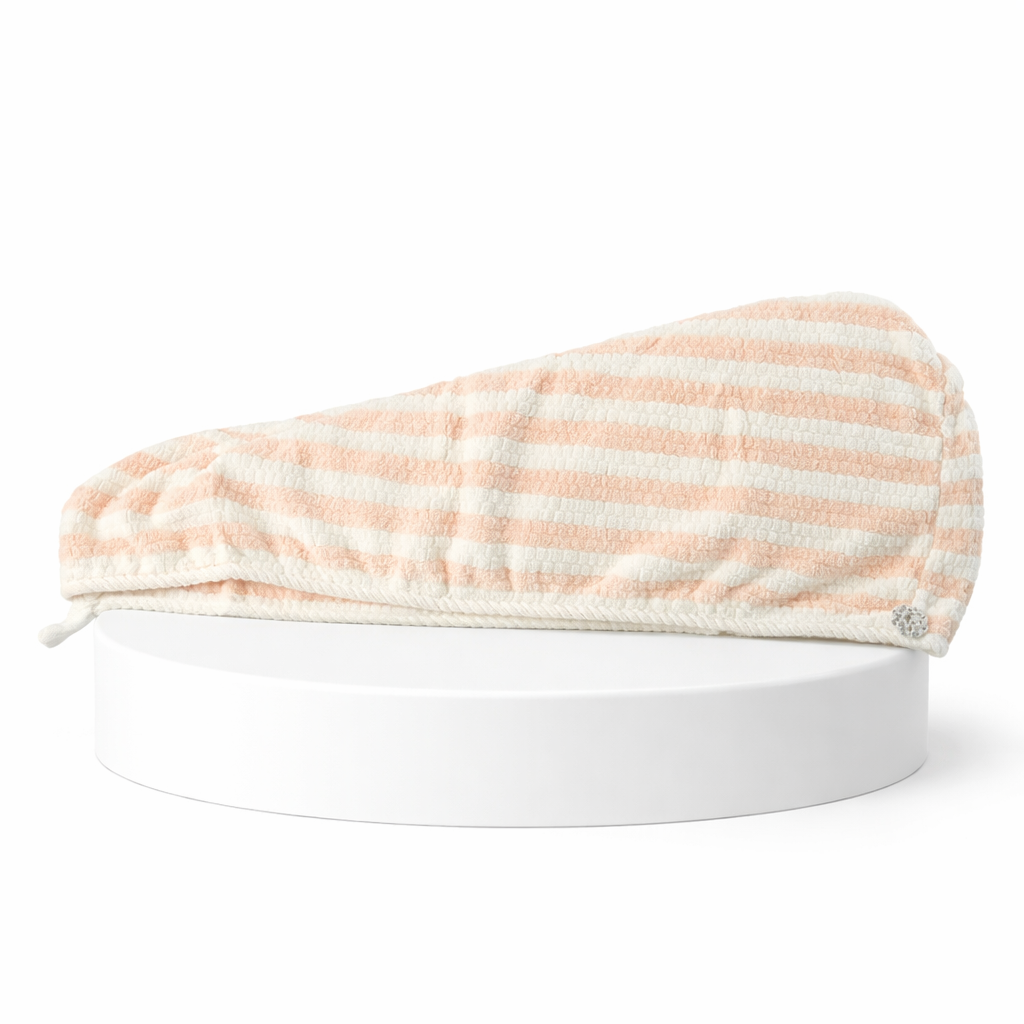
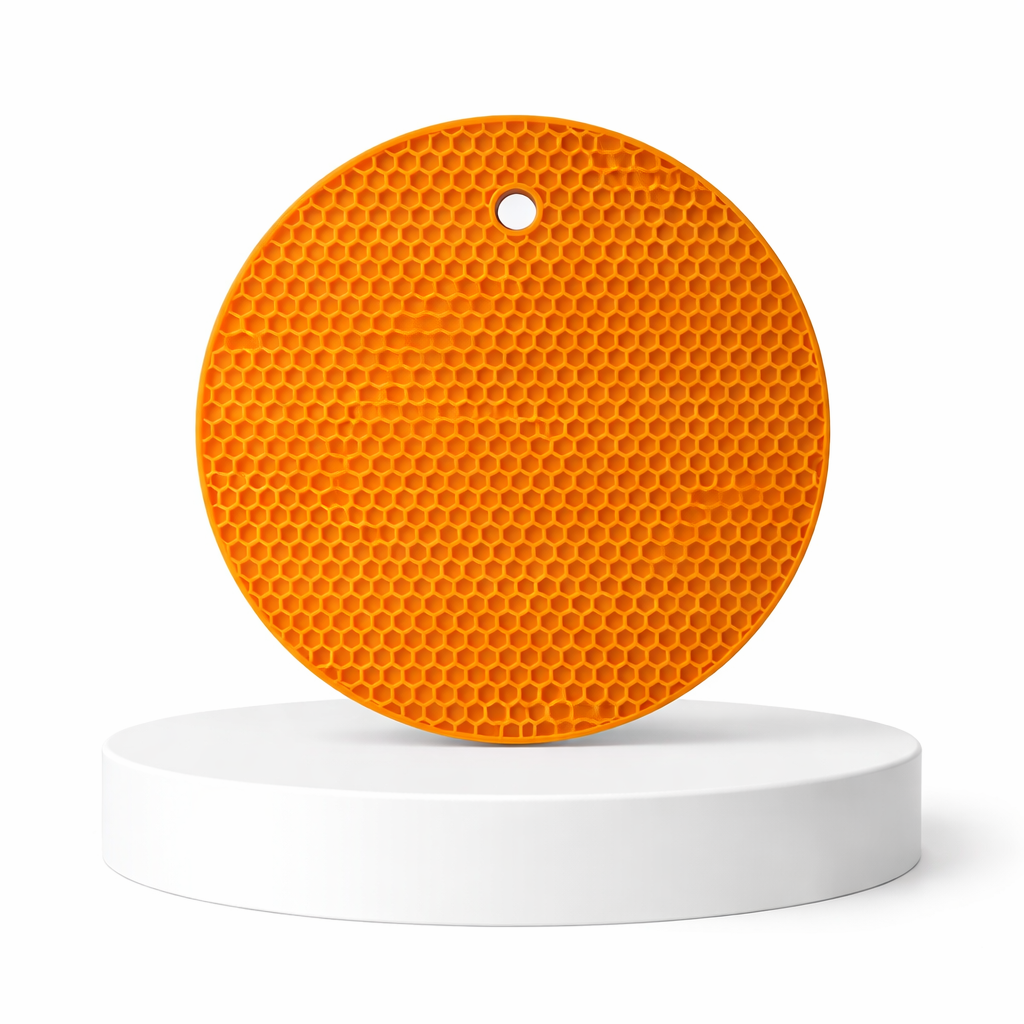
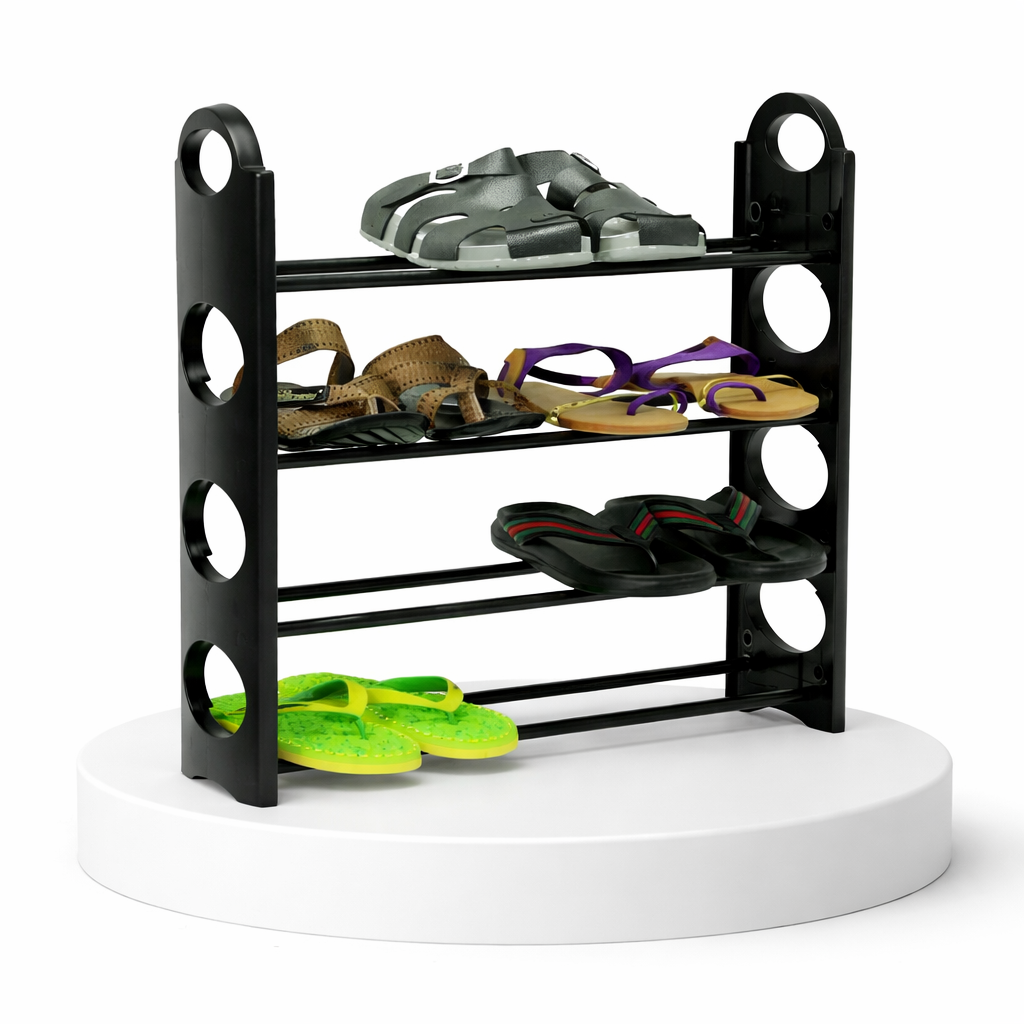
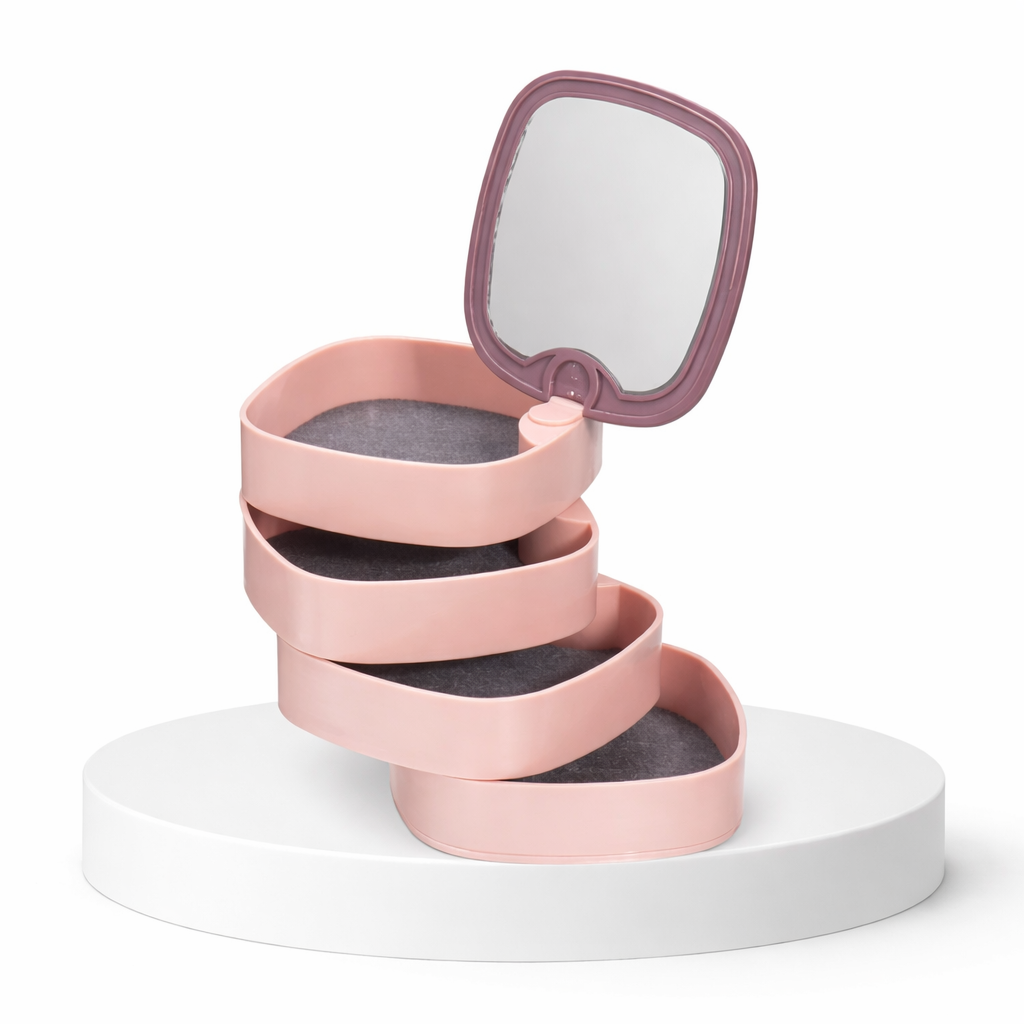
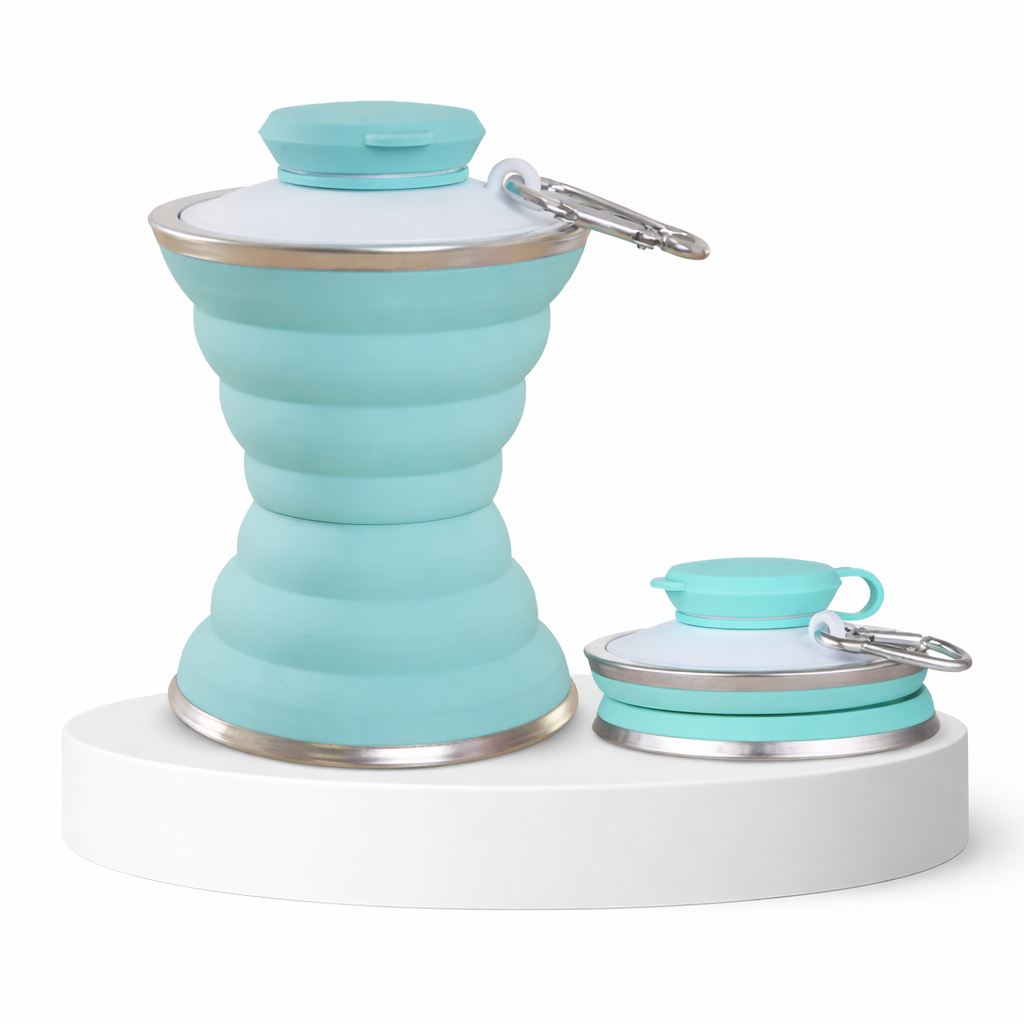
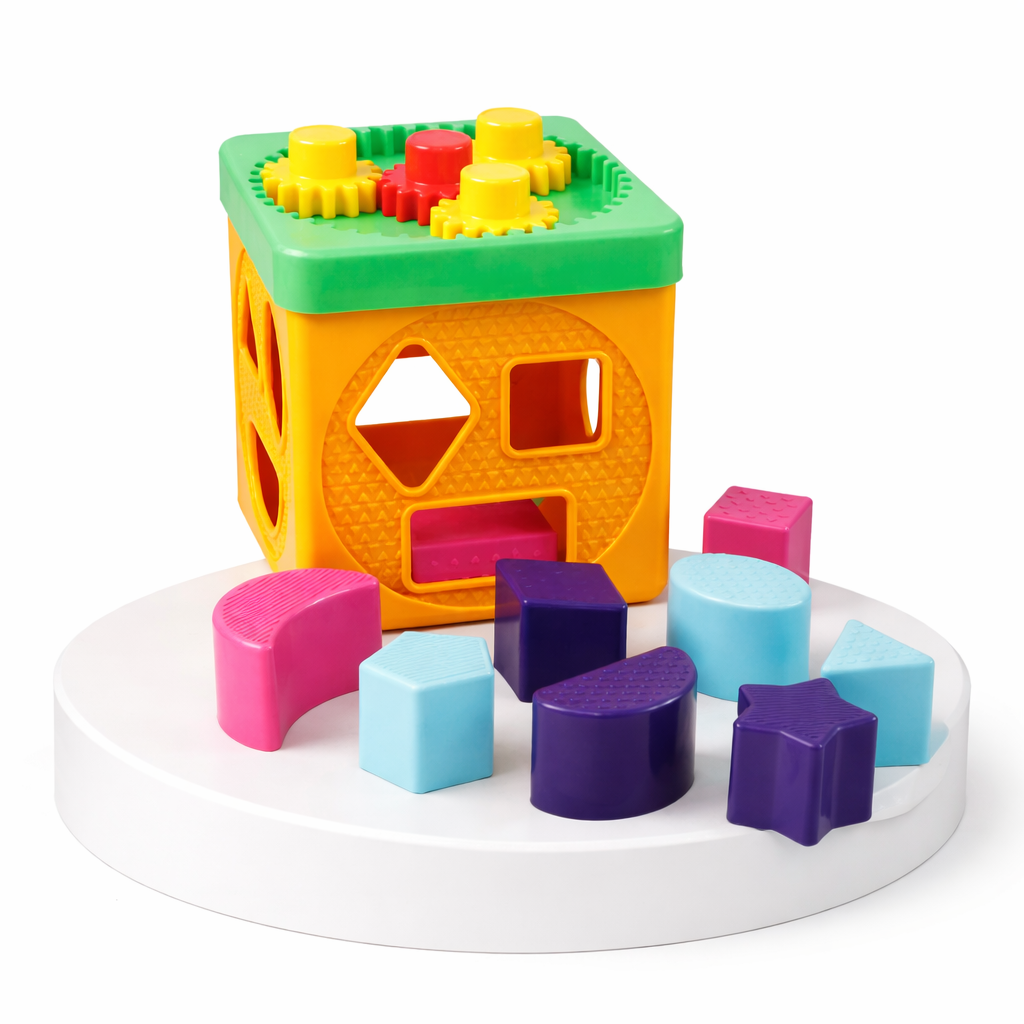
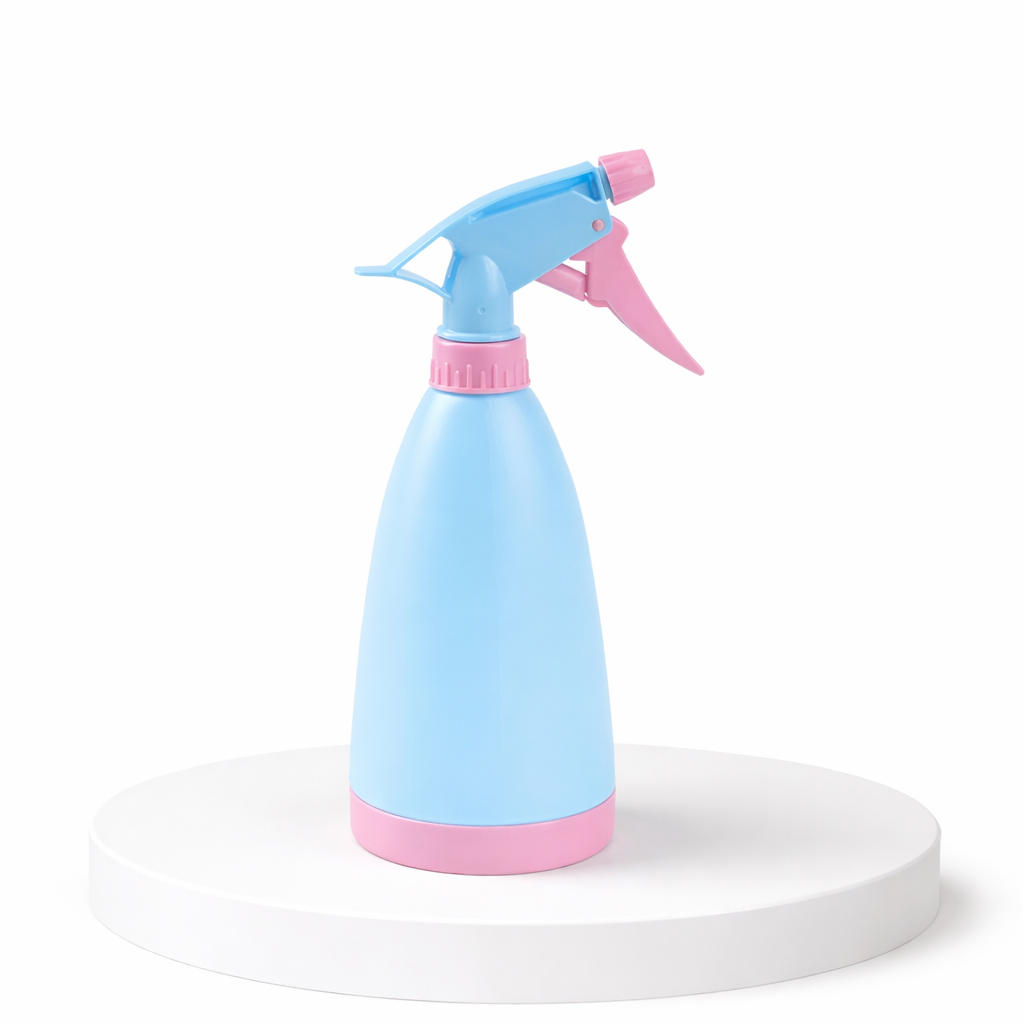
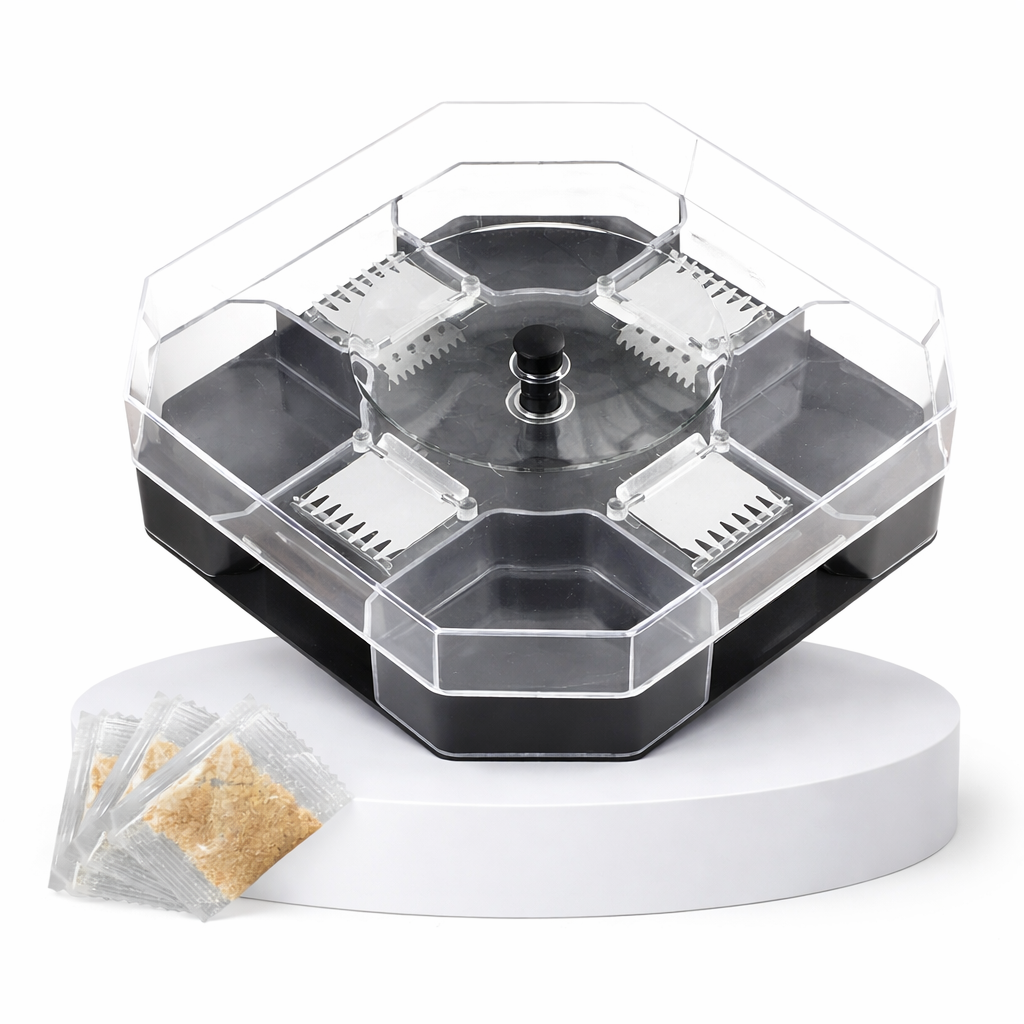
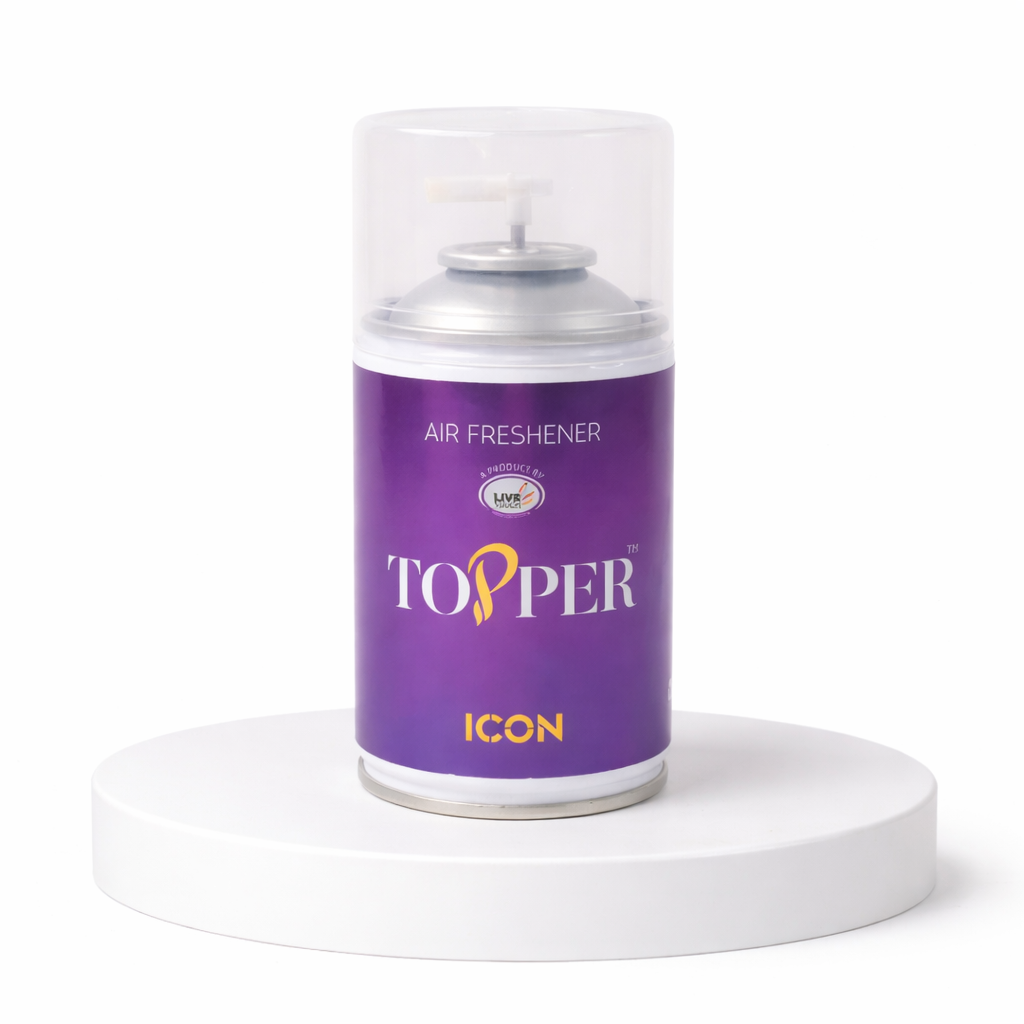
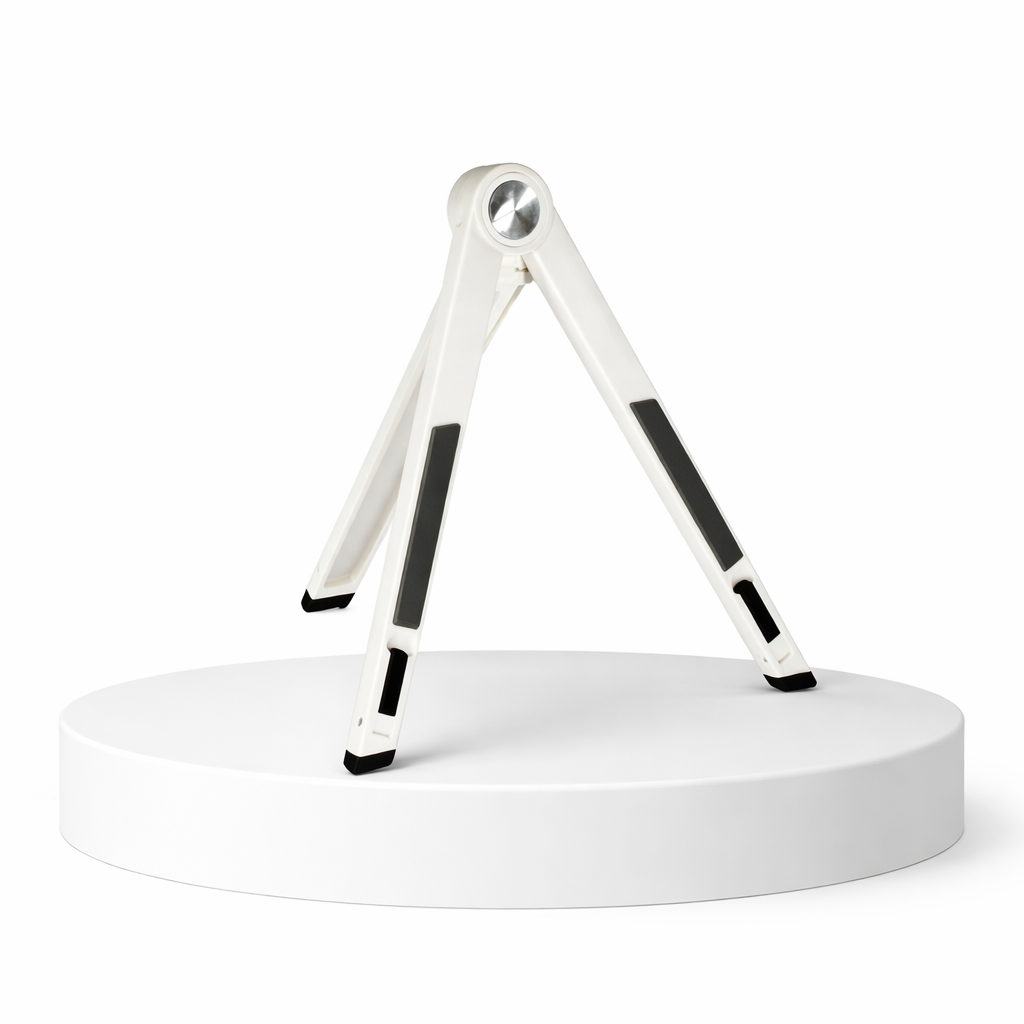
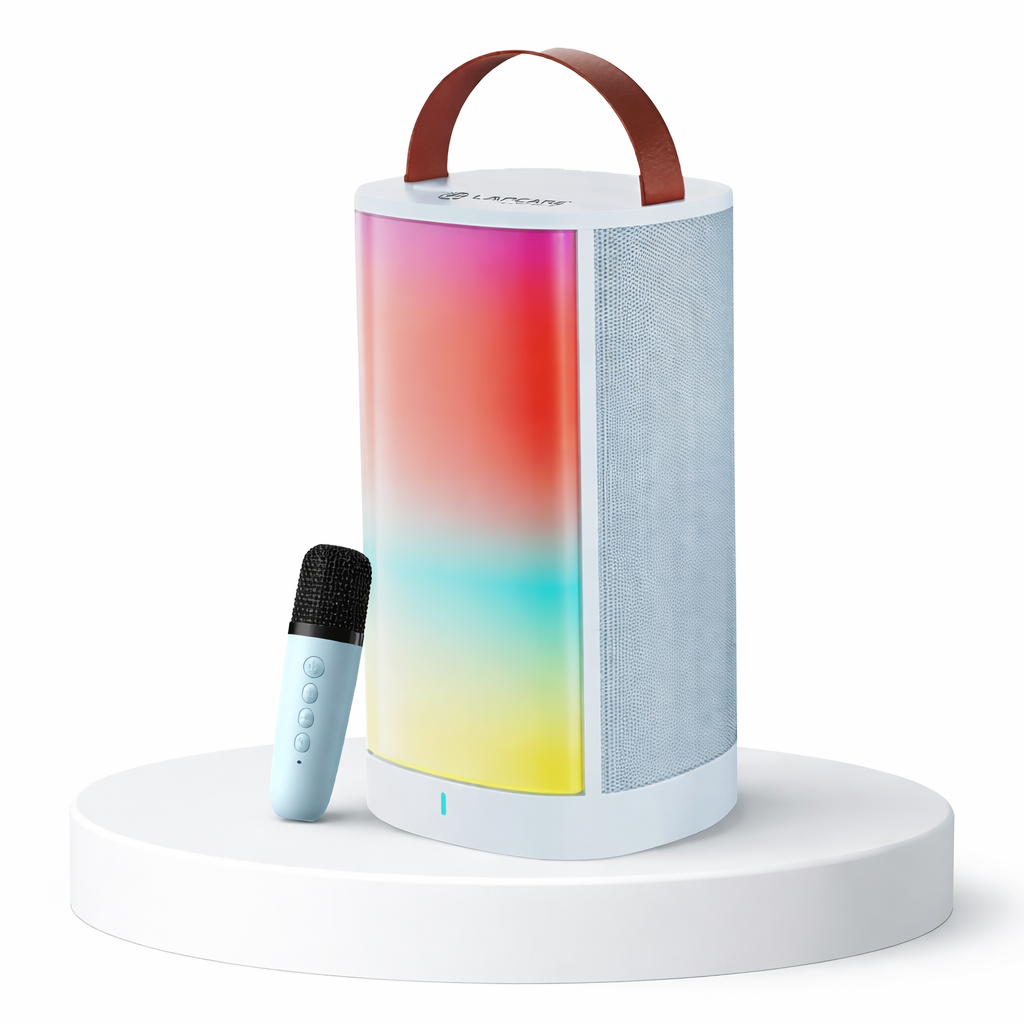
Sometimes small household products can make daily life more comfortable during hot weather. Items like cooling bottles, portable fans, hydration accessories, and summer utility products can help manage the heat effectively. These items can complement natural cooling techniques and improve everyday comfort.
You can explore a variety of useful summer household products here!
Quick Cooling Impact On Home
The following table shows how simple changes can improve comfort levels inside your home.
| Situation | Before Applying Tips | After Applying Natural Cooling |
|---|---|---|
| Airflow | Stagnant and warm air | Fresh airflow through ventilation |
| Sunlight | Direct sunlight heating rooms | Sunlight blocked with curtains |
| Roof Heat | Heat absorbed by roof | Reduced heat with reflective coating |
| Indoor Environment | Stuffed and uncomfortable | Cooler and breathable |
| Energy Usage | Heavy reliance on AC | Reduced electricity consumption |
Even a few of these changes can noticeably improve indoor comfort during summer.
Final Thoughts
Keeping your home cool during summer does not always require expensive air conditioners. By adopting simple habits like improving ventilation, blocking sunlight, using plants, and minimizing heat sources, you can significantly reduce indoor temperature naturally.
These methods are easy, affordable, and environmentally friendly, making them perfect for Indian households dealing with extreme summer heat. By combining natural cooling techniques with smart home habits, you can enjoy a cooler, healthier, and more comfortable home throughout the summer season.
 Translation missing: en.general.accessibility.share_on_facebook
 Translation missing: en.general.accessibility.share_on_x
 Translation missing: en.general.accessibility.share_on_linkedin
 Translation missing: en.general.accessibility.share_on_pinterest
 Translation missing: en.general.accessibility.share_on_whatsapp